Childcare and Early Learning in Eagleby
Where childhood feels natural.
A family-owned early learning centre in the heart of Eagleby, caring for children from six weeks to school age, with a Queensland Government approved Kindy program plus before and after school care and vacation care.
- Fresh meals
- Nappies & wipes
- Sunscreen
- Extra-curricular experiences
"What a beautiful report to read about our little girl. Thank you for nurturing her - we couldn't be happier with how she is developing."
Rachel, Parent
- Family owned & operated
- Meeting National Quality Standard
- Queensland Government approved Kindy
- Child Care Subsidy approved
- Open 6:30 am to 6:30 pm, Monday to Friday. Closed weekends and public holidays.
- Fresh meals prepared onsite
Welcome to Natural Elements Eagleby
See our learning spaces, adventure playground and the educators who make our centre feel like home.
Why Eagleby Families Choose Natural Elements
Choosing care is really a question of trust. Here is what that looks like in practice at our Eagleby campus.
Family owned & independent
Decisions are made by people who know our children, educators and local community, not a distant head office.
Educators who know your child
Educators take the time to learn each child's routines, interests, cues and comfort needs, so children feel secure and understood.
Everything you need included
Morning tea, lunch, afternoon tea, nappies, wipes, sunscreen and our incursions and extra-curricular experiences are included.
Government approved Kindy
Our Queensland Government approved Free Kindy program is delivered by university-qualified early childhood teachers in the year before school. Children must be at least 4 years of age by 30 June in the year they commence kindergarten.
Connected with their day
Photos, notes and daily updates through KindyHub, our secure parent app, plus a real conversation with an educator at pick-up.
A centre built for childhood
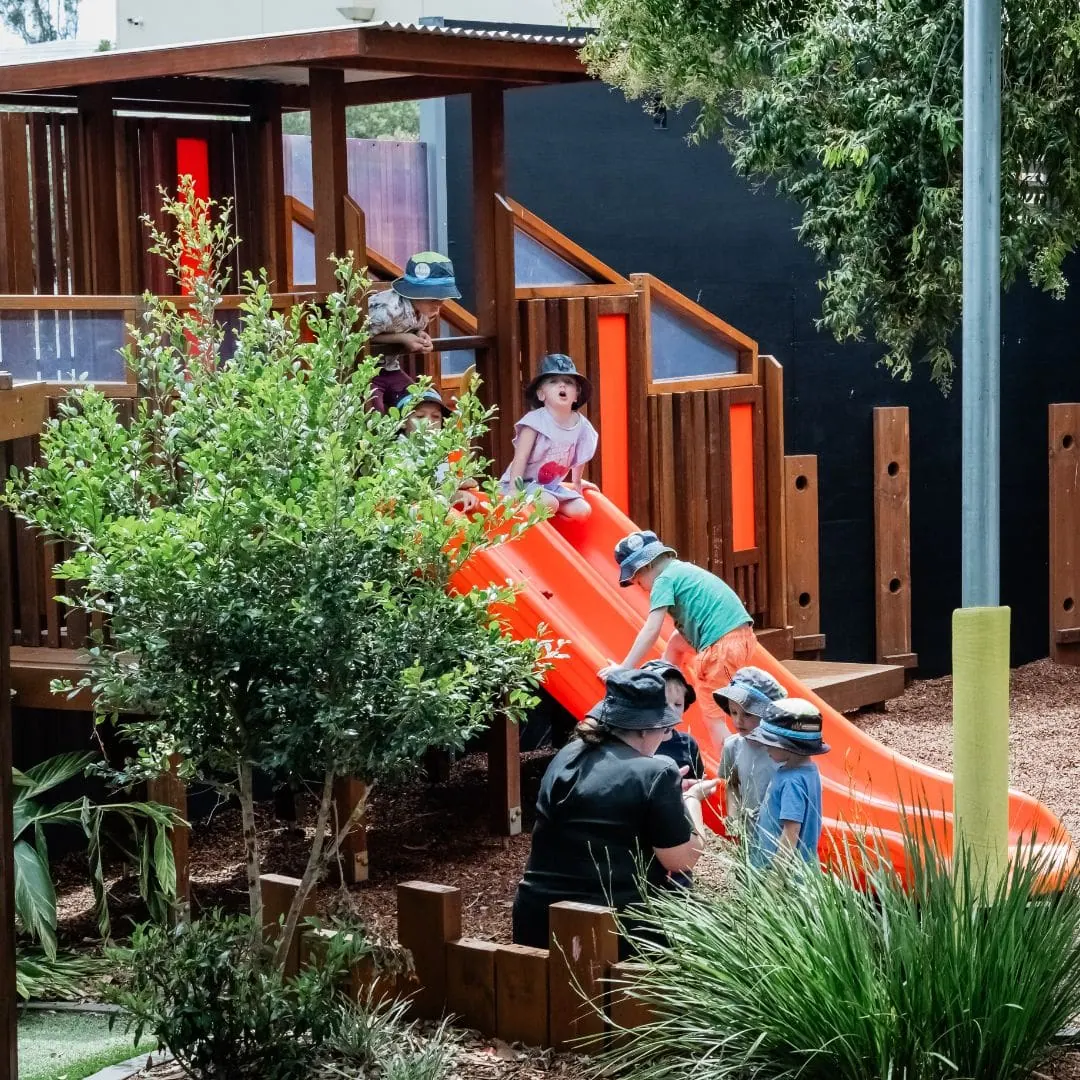
Four oversized learning studios and a large adventure playground with a multi-storey cubbyhouse, digging pits, balance beams, swings and forts.
Welcome To Natural Elements Eagleby
Welcome to Natural Elements Early Learning Centre at Eagleby, a nurturing and caring early learning service located in the heart of Eagleby. Our campus is specially designed to care for and educate children from six weeks to school age, plus before & after school care and vacation care, across four oversized learning studios that feel warm and inviting.
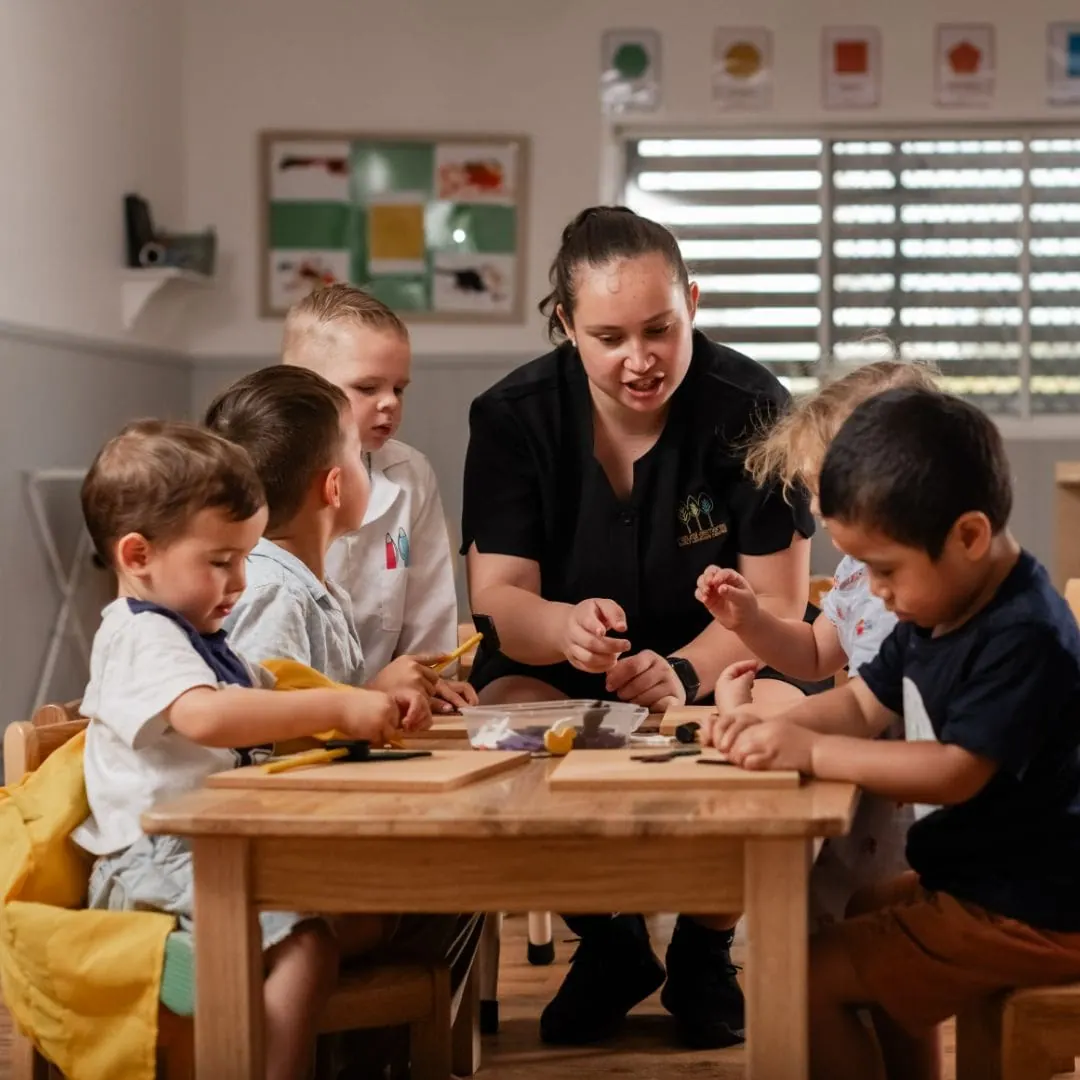
We believe every child deserves the best possible start in life through personal care and attention. Our fully qualified Early Childhood Educators and university qualified Teachers create a caring, inclusive and gentle atmosphere where each child's home values and cultural beliefs are respected and encouraged.
Fresh, nutritious meals are prepared daily by our on-site chef and included, along with nappies, wipes and sunscreen. We also offer extra-curricular experiences such as weekly yoga, a gardening program, music and movement and the latest technology.
Our large adventure playground features a multi-storey cubbyhouse, lush gardens, digging pits, balancing beams, swings and forts. A haven for children to run, play and explore.
"Would we feel happy bringing our own children here?" That's the question behind every choice we make.
Our learning environments are intentionally designed to feel warm, secure and welcoming, helping children build confidence, belonging and emotional safety.
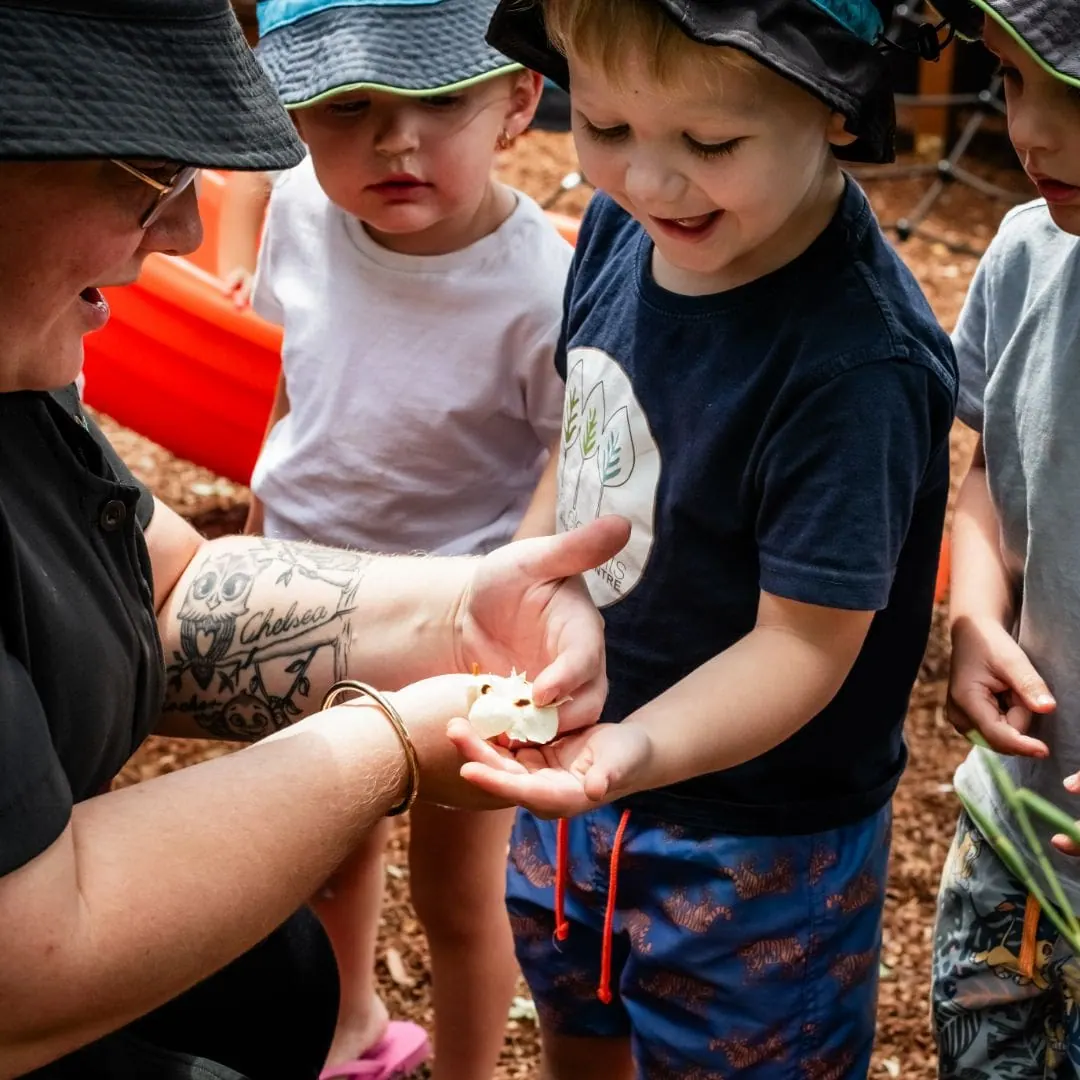
Children are encouraged to explore, create, discover and connect with the natural world through meaningful play and hands-on learning.
We believe strong relationships are at the heart of early childhood. Our educators take the time to genuinely know each child and family.
Our curriculum supports curiosity, creativity, problem solving and independence through child-led learning experiences and intentional teaching.
The benefits of choosing Natural Elements Eagleby
Fresh meals prepared daily by our on-site chef, nappies, wipes and sunscreen - plus an extra-curricular program that keeps every day interesting.
- Extra-curricular programs including swimming lessons, Bush Kinder, yoga, sports, dance, music & movement
- Nutrition program
- First Nations cultural program
- Queensland Government approved Free Kindergarten and school readiness program
- School transition program
- Large adventure playground with a multi-storey cubbyhouse
- In-house chef
- On-site, off-street parking
- Before & after school care plus vacation care
- Air conditioned, natural environments
- Queensland Government approved kindergarten
- Nursery caring for children as young as six weeks
- Morning tea, lunch and afternoon tea prepared on site
- Nappies, wipes and sunscreen
- Child portfolios and transition statements
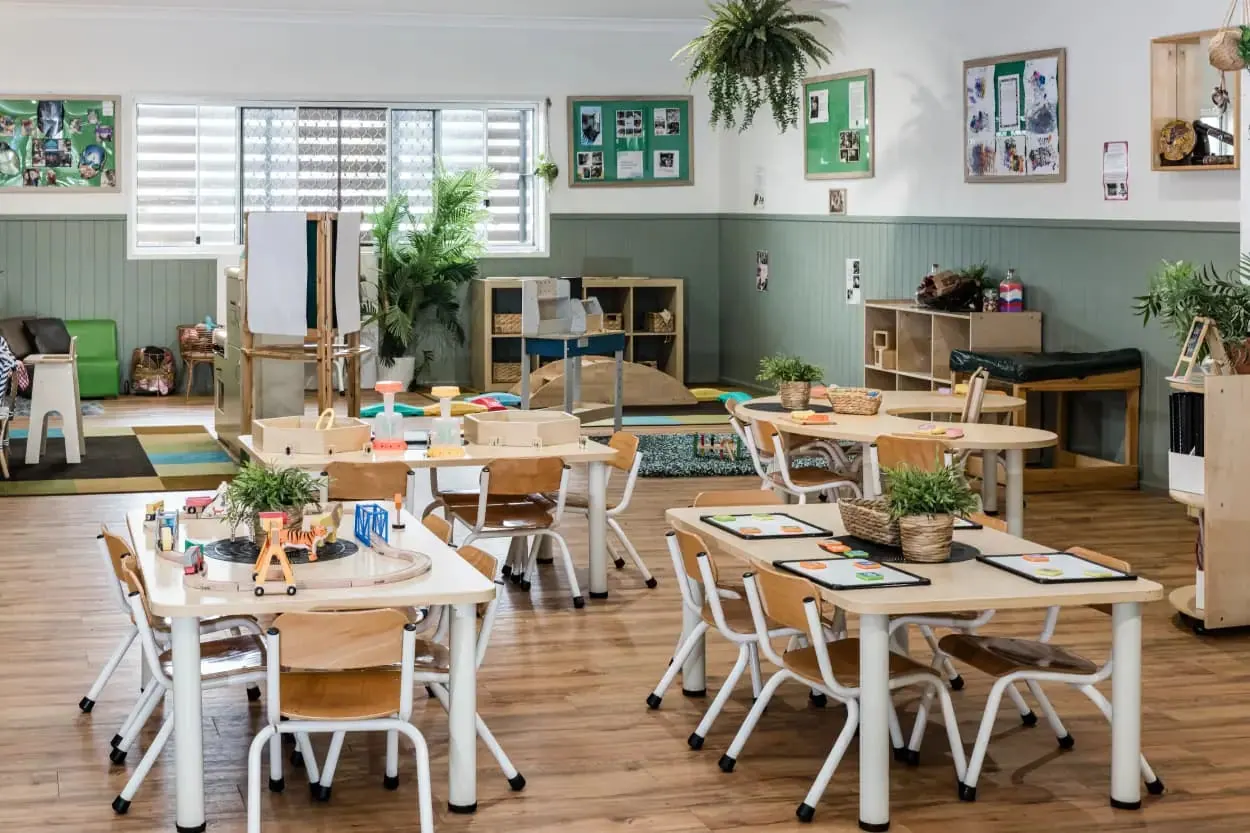
Thoughtfully Designed Learning Studios
Four oversized learning studios plus a dedicated space for before and after school care. Each one is set up for a different stage of development, so children spend their day with peers at a similar age and are challenged in ways that suit them.



Stay connected with their day.
Leaving your child in someone else's care is a big step. We want you to feel connected to their day, even when you are not here.
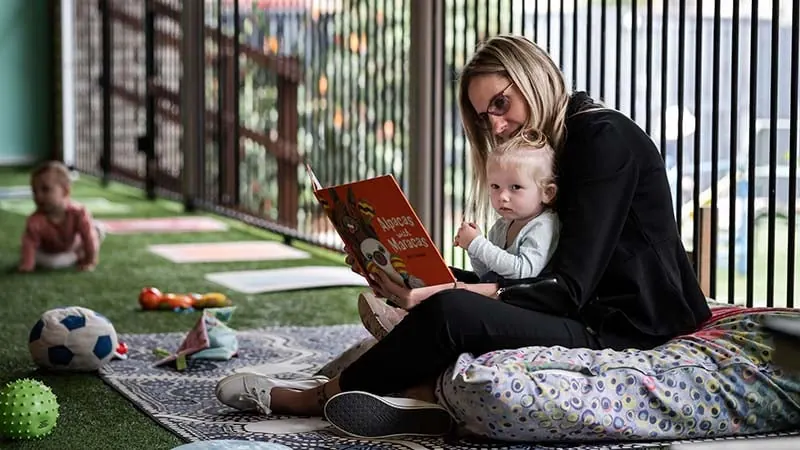
Through KindyHub, our secure parent communication app, families receive updates, photos and insights into their child's experiences and learning throughout the day, from how they slept to what they discovered outside.
Digital updates never replace a conversation. Our educators are always available to talk with you at drop-off and pick-up about how your child is settling, what they have enjoyed and anything you need to know.
More Than Early Learning
We believe childhood should feel calm, connected and filled with wonder.
Our philosophy is built around nurturing the whole child, emotionally, socially, physically and intellectually, while creating a strong sense of belonging for every family who walks through our doors.
We view children as capable, curious and deeply competent learners who deserve environments that honour their individuality, voice and pace of development.
Childcare questions Eagleby families ask
Subsidy, hours, kindy, meals and settling in, answered simply.
How much does childcare cost in Eagleby?
Every family's situation is different, so the best way to understand your investment is to call us on (07) 3807 4966 or book a tour. We will explain what is included, how the Child Care Subsidy works for your family, and talk you through your options without any pressure.
What age can my child start at Natural Elements Eagleby?
We care for children from six weeks of age through to school age, and we also run before and after school care plus vacation care for school aged children.
What is the 3 Day Guarantee?
From January 2026 the Australian Government's 3 Day Guarantee gives eligible families at least 72 subsidised hours of care per fortnight, which is roughly three days a week, without needing to meet the old activity test. If you already receive Child Care Subsidy, the change is applied automatically and you do not need to submit a new application. If you do not currently receive Child Care Subsidy, check your eligibility and make a claim through Services Australia at servicesaustralia.gov.au. Subsidy is separate from availability, so it does not reserve or guarantee a place at the centre.
What are your opening hours?
We are open 6:30 am to 6:30 pm, Monday to Friday, closed Saturdays, Sundays and all public holidays.
Do you offer a government approved kindergarten program?
Yes. Our Kindergarten program is a Queensland Government approved kindy program delivered by university qualified early childhood teachers, and eligible families can access Free Kindy funding.
Are meals included and who prepares them?
Our in house chef prepares fresh morning tea, lunch and afternoon tea on site every day. It is all included.
Words from our Natural Elements community.
"I visited around 15 centres before finally deciding on this one. My daughter is thriving. I've built such amazing connections with all of her teachers, they truly care and absolutely adore my daughter. If I have another child, I will 100% be bringing them here, even if it means driving over an hour."
"In my 11 years of having my 3 children enrolled in daycares in QLD and NSW, this is by far the most amazing centre. The staff go above and beyond. Natural Elements has become my second family and my village in helping me raise independent and confident children."
"A true gem. As a small, family-owned centre, the level of personalised care is exceptional. The nursery team is outstanding, warm, nurturing and incredibly professional. The daily updates and insights into my child's day go above and beyond anything I expected."
We'd Love To Welcome Your Family
Choosing an early learning centre is a big decision. We invite you to visit our Eagleby campus, meet our educators and experience the warmth of our community for yourself.